
Decorating a home does not always require new furniture, a major renovation, or a completely different style. Often, the biggest improvement comes from understanding what a room needs and making a few deliberate changes.
TheHomeTrotters.com home decor ideas focus on practical ways to make living spaces more comfortable, functional, and personal. Useful approaches include improving furniture placement, layering lighting, controlling visual clutter, adding texture, using meaningful accessories, and adapting decor to the room’s size and everyday purpose.
TheHomeTrotters.com currently covers home repair, interior design, and home decor, while its Home Decor Ideas section includes topics ranging from interior inspiration to practical home improvements.
For anyone searching for thehometrotters.com home decor ideas, the useful starting point is not a particular trend. It is deciding how the room should function, then choosing decor that supports that purpose.
Start With the Room, Not the Shopping List
Before buying anything, look at the room as it exists today.
Ask three simple questions:
- What feels unfinished?
- What feels crowded or inconvenient?
- What do I want the room to help me do?
A living room used for conversation needs a different arrangement from one primarily used for television. A bedroom may need calm and storage, while a home office needs comfortable working space and organized surfaces.
This approach also prevents unnecessary purchases. Instead of filling an empty corner simply because it is empty, determine whether that corner needs seating, storage, lighting, artwork, or nothing at all.
Use Furniture to Improve the Flow
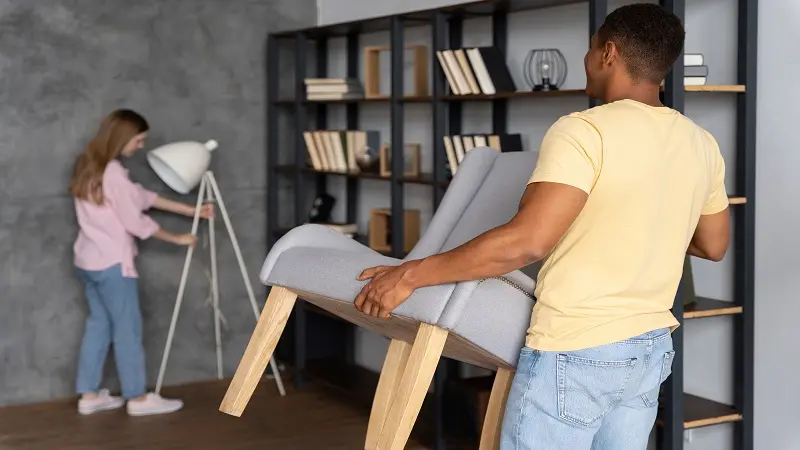
Furniture placement can change the character of a room without changing the furniture itself.
Start by identifying the main focal point. It could be a window, fireplace, television, artwork, or architectural feature. Arrange the larger pieces so they support that point without blocking natural movement.
In smaller rooms, scale matters particularly. Interior designers quoted by Architectural Digest recommend carefully editing furniture and choosing pieces that do not overwhelm the available space.
Try these practical adjustments:
- Keep main walking paths clear.
- Avoid pushing every piece against a wall automatically.
- Give seating a reason to face one another.
- Measure furniture before purchasing it.
- Leave enough visual breathing room around larger objects.
A room often feels more spacious when fewer pieces are doing more work.
Build a Lighting Plan Instead of Relying on One Fixture
Lighting is one of the easiest ways to change the atmosphere of a room.
A single ceiling fixture may provide general illumination, but it does not necessarily create depth or make a room comfortable in the evening. A more flexible approach combines different sources at different heights.
Consider:
- Ceiling lighting for general visibility
- Floor or table lamps for softer illumination
- Task lighting where specific activities take place
- Accent lighting for artwork, shelving, or architectural details
- Natural light during the day
Architectural Digest’s coverage of small-space lighting similarly emphasizes combining different types and sources of light to create visual interest without consuming much floor space.
If a room feels flat after dark, adding another layer of lighting may be more useful than buying another decorative object.
Choose Color Around What You Already Own
A common decorating mistake is choosing wall color before considering the furniture, flooring, curtains, artwork, and other permanent elements already in the room.
Instead, identify two or three colors that already appear in the space. Use one as the dominant background, another for supporting elements, and a smaller accent color where you want attention.
This does not mean every item has to match.
A room can combine different colors and materials successfully when there is some connection between them. Repeating a color in a cushion, artwork, rug, or accessory can help separate pieces feel intentional rather than random.
For readers looking for TheHomeTrotters-inspired decor, this is more useful than copying a complete room from a photograph because it allows the idea to adapt to the home you actually have.
Add Texture Before Adding More Color
If a room looks dull but the color palette already works, the problem may be a lack of texture.
Think beyond paint. Texture can come from:
- Woven baskets
- Linen or cotton textiles
- Wood
- Ceramic pieces
- Rugs
- Curtains
- Cushions
- Plants
- Natural stone or textured surfaces
The goal is not to fill every surface. It is to create enough variation that the room does not look visually flat.
A neutral room can feel considerably richer when different materials are layered carefully.
Give Walls a Purpose
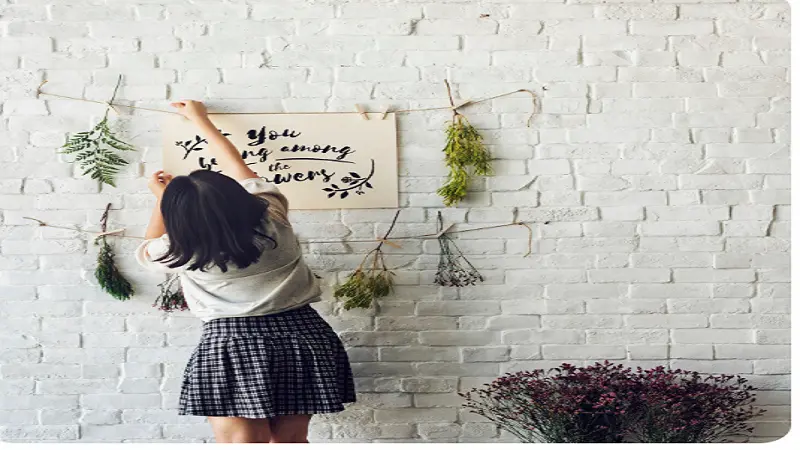
Blank walls do not automatically need to be filled.
Choose wall decor based on the scale of the wall and the surrounding furniture. A large empty wall may benefit from one substantial artwork or a carefully arranged collection rather than several tiny pieces scattered across it.
Possible options include:
- Framed photography
- Artwork
- Mirrors
- Floating shelves
- Personal collections
- Travel memories
- Textile wall hangings
TheHomeTrotters-related decorating coverage frequently emphasizes personal objects and travel-inspired details, but the stronger principle is broader: choose objects that have meaning or serve a visual purpose rather than decorating simply to occupy space.
Make Small Spaces Work Harder
Small rooms require editing rather than simply adding more clever decor.
Look upward as well as across the floor. Vertical shelving, wall-mounted storage, tall curtains, and appropriately scaled artwork can make use of areas that would otherwise remain empty.
Architectural Digest’s recent small-space design coverage highlights vertical surfaces as an underused resource when floor space is limited.
Multifunctional furniture can also help. A storage ottoman, compact desk, nesting tables, or furniture with concealed storage can provide more utility without requiring additional floor space.
The key is to protect movement through the room. Storage that technically fits but makes the space difficult to navigate is not a successful solution.
Personal Details Make the Room Feel Finished
A polished room should still look like someone’s home.
Family photographs, books, collected objects, artwork, travel souvenirs, handmade pieces, and inherited furniture can give a room character that a matching furniture set cannot provide.
The best approach is selective display.
Choose a few meaningful pieces and give them enough space to be noticed. A shelf overloaded with small objects can make every item disappear visually, while a smaller group can create a stronger focal point.
Decorate for How You Actually Live
One of the most useful principles behind practical home decor is simple: design around real behavior.
If you read in the living room, create a comfortable reading position with suitable lighting. If you regularly work at the dining table, consider where cables, stationery, and equipment will go. If children use the room, choose finishes and storage that can tolerate everyday use.
Beautiful rooms that are inconvenient quickly become frustrating.Good decor should support the activities that happen there.
Refresh a Room Without Starting Over
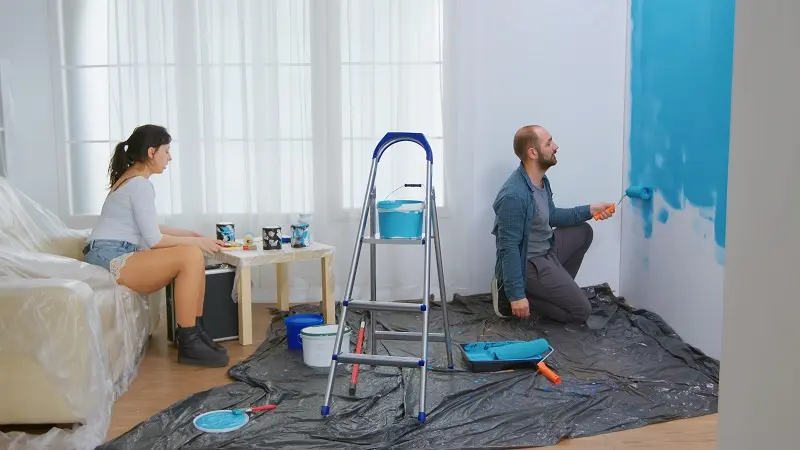
You do not need to replace everything to create a visible change.
Try working through this order:
- Remove items that no longer belong.
- Rearrange the largest furniture pieces.
- Improve the lighting.
- Adjust the color balance with existing accessories.
- Add one or two useful textures.
- Introduce meaningful artwork or personal objects.
- Only then decide what needs to be purchased.
This sequence can reveal that the room already contains most of what it needs.
It also makes decorating decisions easier because every new purchase has a defined purpose.
A Simple TheHomeTrotters-Inspired Decorating Checklist
Before calling a room finished, check:
| Area | Question to Ask |
| Layout | Can people move around comfortably? |
| Furniture | Is everything correctly scaled for the room? |
| Lighting | Is there more than one useful light source? |
| Color | Do the main colors work together? |
| Texture | Does the room have enough material variation? |
| Storage | Is everyday clutter easy to put away? |
| Walls | Are the main pieces correctly scaled? |
| Personality | Does the room contain something meaningful? |
| Function | Does the space work for everyday life? |
This checklist is more valuable than following a fixed decorating formula because every home has different dimensions, lighting, furniture, and routines.
FAQs
What are TheHomeTrotters.com home decor ideas?
They refer to decorating inspiration associated with TheHomeTrotters, a site that covers home decor, interior design, and home improvement. The practical approach is to improve layout, lighting, organization, materials, and personal style rather than relying on one specific design trend.
How can I refresh my home without spending a lot?
Start by decluttering and rearranging existing furniture. Then consider lighting, textiles, artwork, plants, and small accessories before purchasing large furniture. This helps identify what the room actually lacks.
What is the easiest way to make a small room feel better?
Prioritize clear movement, appropriately scaled furniture, vertical storage, and layered lighting. Avoid filling every available surface because visual clutter can make a compact room feel even more restricted.
Should every room have the same decorating style?
Not necessarily. Rooms can have different personalities while sharing a few connecting elements, such as a repeated color, material, wood tone, or design detail.
How do I make my home decor look more personal?
Use meaningful objects instead of relying entirely on generic accessories. Family photographs, books, artwork, travel memories, collected objects, and inherited pieces can make the space reflect the people who live there.
Final Thoughts
The most useful home decor ideas are not necessarily the most complicated ones. A better layout, more intentional lighting, controlled clutter, thoughtful textures, and a few personal details can change how a room looks and functions.
The strongest approach is to begin with the way you live. Once the room’s purpose is clear, decorating decisions become much easier to make. see more