
TheHomeTrotters HomeRepairs refers to home-repair and maintenance guidance associated with TheHomeTrotters. Its content covers everyday problems such as leaks, clogged drains, damaged walls, and general maintenance. The key is knowing which repairs are suitable for DIY work and which require a qualified professional.
The term thehometrotters homerepairs is used online in connection with practical home repair and maintenance information. The official TheHomeTrotters website has a dedicated Home Repairs category covering subjects ranging from routine repairs to larger home-improvement decisions.
The important point is that useful repair guidance should do more than list quick fixes. It should help homeowners identify the problem, understand its likely cause, decide whether a DIY repair is appropriate, and know when professional help is safer.
What Does TheHomeTrotters HomeRepairs Mean?
The phrase generally points to home-repair content associated with TheHomeTrotters rather than proving the existence of a separate repair company or universal repair service.
The official website describes itself as covering home repair, interior design, and home decor, with repair-related tutorials and guidance for common household problems.
That distinction matters because numerous third-party websites currently publish articles using the exact keyword. Some describe it as a repair service, while others treat it as a DIY information resource. Those descriptions should not automatically be treated as verified facts about an actual service provider.
For readers, the most useful interpretation is to approach the topic as home repair and maintenance guidance and verify any specific service claims independently.
Common Home Repairs Worth Learning
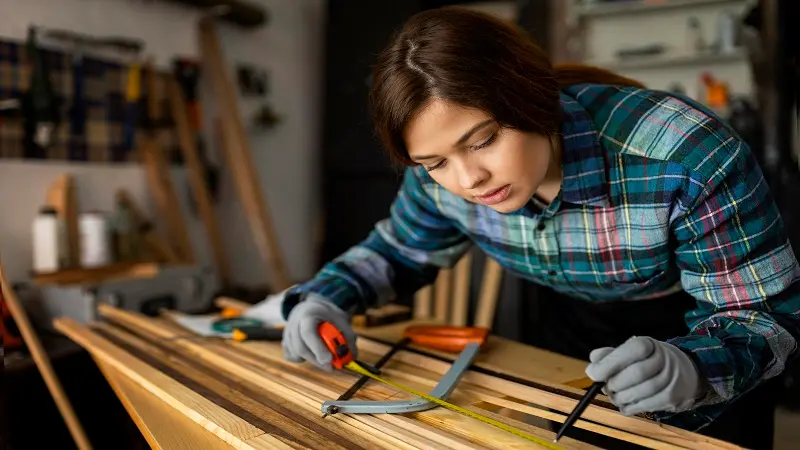
Some household repairs are relatively straightforward when the cause is obvious and the work can be completed safely.
Dripping Faucets
A dripping faucet may result from a worn washer, cartridge, seal, or another internal component. The first step is to shut off the water supply before taking the fixture apart.
Do not assume every faucet uses the same replacement part. Identifying the faucet type and matching the replacement component can prevent unnecessary disassembly and repeated leaks.
Blocked Drains
Slow drains often collect hair, grease, soap residue, or other debris.
A plunger can be useful for simple blockages. A hand-operated drain snake may help with deeper obstructions. If the blockage repeatedly returns or multiple drains are affected, the problem may be farther into the plumbing system.
Avoid treating a recurring blockage as a one-time inconvenience. Repetition can indicate an underlying plumbing issue.
Damaged Drywall
Small holes and superficial cracks can often be repaired with appropriate patching compound, sanding, and paint.
However, a recurring crack deserves more attention than a cosmetic patch. Movement, moisture, or another underlying condition may be responsible.
Similarly, a wall stain should not simply be painted over. The source of moisture needs to be addressed first.
The EPA specifically recommends fixing water problems and drying affected areas promptly because moisture creates conditions that can support mold growth.
Loose Doors, Handles, and Hinges
Loose screws, worn hardware, and dry hinges are common sources of minor household problems.
Before replacing an entire component, inspect the screws, mounting points, and hardware. A simple adjustment or replacement screw may solve the problem.
This is a good example of why diagnosis should come before buying materials.
The Most Important Repair Rule: Find the Cause First
One weakness in many quick-fix articles is that they focus heavily on the visible symptom.
A stain gets painted.
A crack gets filled.
A draft gets covered.
A drain gets chemically treated.
But if the underlying cause remains, the repair may only be temporary.
For example, moisture behind a wall can continue damaging materials even after the visible stain has been painted. The EPA identifies moisture control as a central part of preventing mold problems in homes.
A better repair process is:
Identify → Contain → Correct → Check
First identify what is happening. Then contain immediate damage if necessary. Correct the underlying problem. Finally, monitor the repair to make sure the issue does not return.
That approach is more useful than simply collecting a list of household hacks.
When DIY Home Repair Makes Sense
DIY work can be reasonable when the task is small, the cause is understood, and the homeowner can perform it without creating a safety risk.
Examples may include:
- Tightening loose cabinet hardware
- Replacing suitable door hardware
- Patching a small cosmetic wall defect
- Replacing accessible weatherstripping
- Clearing a simple drain blockage
- Touching up properly prepared paint
Before starting, gather the correct tools and understand how to shut off the relevant utility if needed.
The goal of DIY repair should not simply be saving money. A repair that causes additional damage can become more expensive than hiring someone initially.
When You Should Call a Professional

Some problems should not be treated as ordinary DIY projects.
Electrical faults, gas-related problems, major plumbing failures, structural damage, serious roof problems, and extensive water damage can involve risks that are difficult to assess without appropriate training.
The same principle applies when a problem keeps returning after repeated repairs.
A professional may be able to identify an underlying issue that is not obvious from the visible damage.
Local licensing, permit, and building requirements also vary by jurisdiction, so homeowners should check their local rules before undertaking work that may require professional involvement.
How to Choose a Home Repair Professional
Hiring someone for a repair requires more than comparing the lowest price.
The Federal Trade Commission recommends checking contractors carefully, getting written estimates, checking licensing and insurance where applicable, and using a written contract before work begins. It also warns against contractors who demand immediate decisions or large upfront cash payments.
Before agreeing to significant work, ask:
- What exactly will be repaired?
- What materials are included?
- Is the estimate written?
- Who is responsible for permits?
- What is the payment schedule?
- Is labor covered by a warranty?
- What happens if additional damage is discovered?
- Can licensing and insurance be verified?
A clear answer to these questions can prevent disagreements later.
Build a Simple Home Repair Routine
Home maintenance becomes easier when it is treated as an ongoing routine instead of an emergency response.
Check visible plumbing connections for leaks. Look for damaged caulking around areas exposed to water. Inspect doors and windows for obvious gaps. Pay attention to unusual sounds, stains, odors, or changes in how household systems operate.
Moisture deserves particular attention. The EPA recommends repairing leaks, maintaining gutters, keeping water away from the foundation, and addressing damp conditions promptly.
A short inspection can sometimes identify a developing problem before it becomes a major repair.
What Makes Home Repair Advice Actually Useful?

Good home-repair content should answer more than “How do I fix this?”
It should also explain:
- What usually causes the problem
- Whether the repair is temporary or lasting
- What tools are actually needed
- What warning signs indicate a larger issue
- When DIY work becomes unsafe
- When a professional should be contacted
- How to prevent the same problem from returning
That is where the useful side of thehometrotters homerepairs becomes more practical for homeowners.
Instead of following every online hack, readers can use the information as a decision-making framework.
FAQ
Is TheHomeTrotters HomeRepairs a repair company?
The official TheHomeTrotters website presents home repair as one of its content areas, but the existence of third-party pages using the keyword does not independently establish that every claimed repair service associated with the phrase is legitimate. Verify any specific service provider before paying for work.
What types of repairs are commonly covered?
TheHomeTrotters’ home-repair content includes common household maintenance and repair subjects. Its official Home Repairs category also includes broader topics such as remodeling and specialist repair-related subjects.
Can homeowners handle every repair themselves?
No. Minor repairs may be suitable for DIY work, but electrical, gas, structural, and serious water-related problems can require professional assessment.
Should a recurring wall crack simply be patched?
Not necessarily. A recurring crack can have an underlying cause, so repeatedly covering the visible damage may not solve the actual problem.
How should homeowners deal with moisture problems?
Find and address the water source, dry affected materials, and monitor the area. The EPA emphasizes moisture control as an important part of preventing mold growth.
How can I avoid home repair scams?
Check the contractor’s credentials where applicable, obtain written estimates, compare providers, use a written contract, and avoid pressure to make immediate payments. The FTC specifically identifies pressure tactics and large upfront cash demands as warning signs.
Final Thoughts
The most useful lesson behind thehometrotters homerepairs is not simply learning a collection of quick fixes. Good home maintenance starts with understanding the problem before attempting the repair.
Small tasks can often be handled carefully at home, while complex or potentially dangerous problems deserve professional attention. When homeowners combine early detection, sensible DIY work, proper maintenance, and careful contractor selection, they can make repair decisions with greater confidence. see more